Homes That Shine Without the Bin


Welcome! Today we explore zero-waste cleaning routines shared by everyday families who swapped disposable products for practical, affordable habits. You will find simple swaps, kind science, and candid stories about wins, fails, and how busy people keep spaces sparkling while shrinking trash. Share your own routine, ask questions, and subscribe for helpful checklists, monthly challenges, and realistic encouragement that respects your time, budget, and health.

Getting Started Without the Clutter

Audit the Trash

Spend one week watching what actually lands in your bin after cleaning. Note disposable wipes, empty spray bottles, and plastic-lined sponges. Families report that awareness alone cuts waste dramatically, because they replace high-frequency items first. Photograph your bin on day one and day seven to see honest, motivating progress you can celebrate.

Build a Starter Kit

Gather a glass spray bottle, a labeled jar of baking soda, white vinegar, unscented castile soap, two sturdy microfiber or cotton cloths, a squeegee, and a scrub brush with replaceable head. Most households already own half these items. Store everything together to reduce friction, and add one refillable item each month.

Set Family Agreements

Decide together what matters: less plastic, safer air, or saving money. Post three simple rules on the fridge, like rinse cloths the same day, refill bottles before empty, and do a five-minute reset after dinner. Shared expectations prevent blame, keep momentum steady, and make consistency feel like teamwork instead of pressure.

Kitchen Sparkle, Bin at Zero

Grease, crumbs, and smells challenge any household. Families reduce waste by pairing pantry ingredients with smart habits: heat to lift oils, squeegees to prevent buildup, and compost to catch scraps. With reusable cloths and refill stations, you’ll cut plastic, skip harsh fumes, and keep counters safer for food and curious hands.

Bathroom Fresh, Plastic Light

Soap Scum Strategy

After showers, a thirty-second squeegee across glass and tiles prevents layers from forming. Weekly, use diluted vinegar on mineral spots and a paste of baking soda for stubborn corners. Rinse thoroughly. Maya’s family placed the squeegee on a suction hook at eye level, and compliance soared because the tool was simply visible.

Toilet Tactic

Pour a half cup of vinegar into the bowl, dust baking soda under the rim, and let it fizz while you wipe the exterior with a soapy cloth. Scrub with a brush that has a replaceable head, then rinse. Label your spray clearly to avoid mix-ups, and never combine vinegar with bleach.

Mold and Ventilation

Run the fan for fifteen minutes after showers, or open a window briefly to release humidity. Spray vulnerable corners weekly with a diluted hydrogen peroxide solution, patch-tested on grout first. Keep shower curtains fully extended to dry. Families report that prevention eliminates emergency cleanings, which are stressful and usually generate extra waste.

Floors, Dust, and Laundry Made Gentle

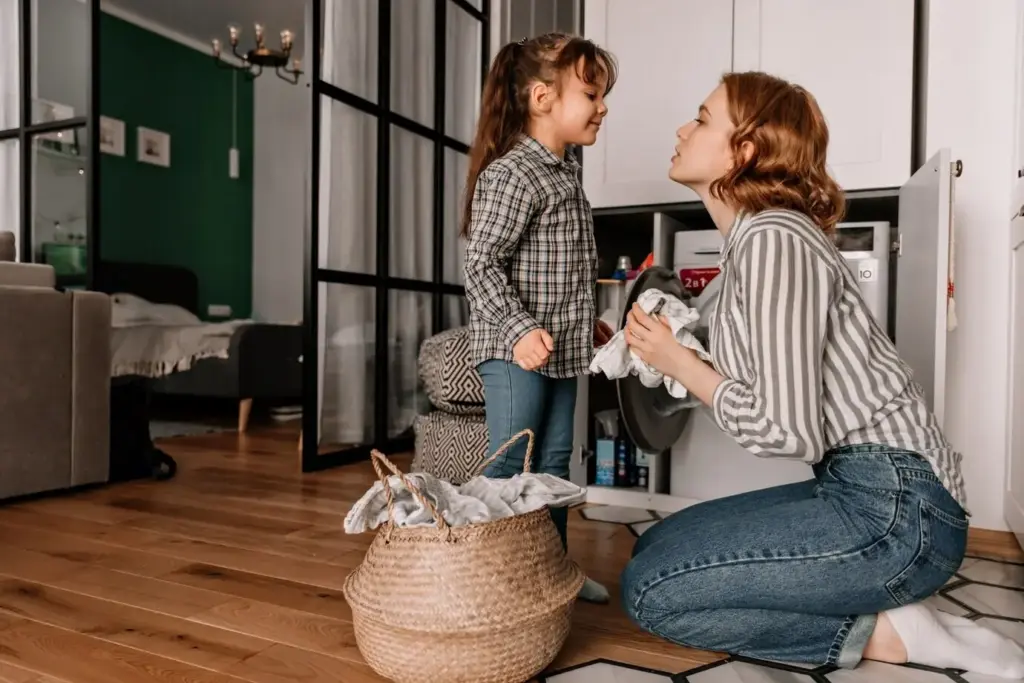
Dust carries allergens, pet dander, and outdoor particles. Families succeed by sequencing: dry methods first, wet second, laundry last. Reusable mop pads and vacuum filters minimize disposables. In laundry, cooler water, shorter cycles, and line drying extend garment life. Gentle detergents protect fibers, while mesh bags reduce microfiber shedding during washes.

Dust Control Ritual

Start high, finish low. Use a washable microfiber cloth for shelves and frames, then a HEPA vacuum on floors and rugs. Entry mats catch grit at the door and cut cleaning time in half. A weekly fifteen-minute routine prevents buildup, so you never reach for disposable dusters or panic before guests arrive.

Mopping Without Waste

Mix warm water with a teaspoon of castile soap in a reusable spray bottle. Mist lightly and mop with a washable pad, swapping pads when visibly dirty. Tough spots get a baking soda paste. Air-dry tools outdoors when possible. Families report fewer streaks, lower costs, and zero empty plastic bottles piling up.

Kids, Roommates, and Real-Life Schedules

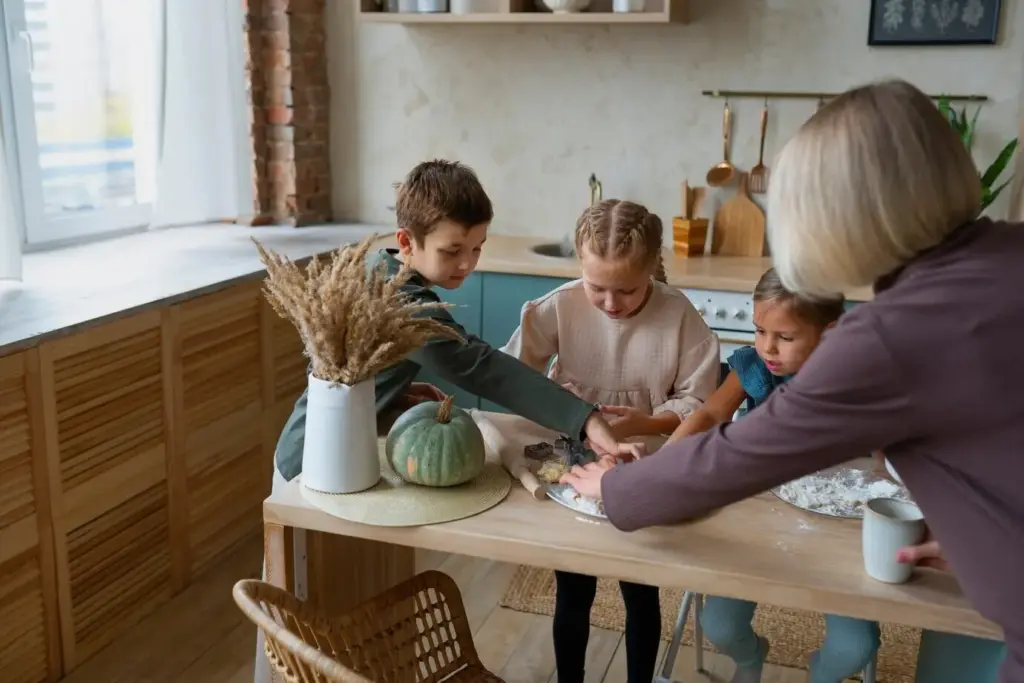
Busy homes need routines that bend without breaking. Families integrate micro-chores into transitions, offer choices instead of lectures, and keep tools visible. A poster with simple steps and pictures helps kids participate. Roommates use check-ins, not nagging. When someone slips, the system absorbs it, and the next reset comes quickly and kindly.

Pantry-Powered Recipes

A reliable all-purpose mix: one part white vinegar to one part water, plus a drop of castile soap for grime. For glass, skip the soap to prevent streaks. A baking soda paste tackles sinks and tubs. Keep recipes taped to bottles. Families appreciate predictability, faster refills, and far fewer emergency store runs.

Refill Stations and Co-ops

Bring clean containers, record tare weights, and refill detergents, soaps, and rinses locally. Ask staff about ingredient transparency and biodegradability. Many communities offer discount punch cards or jar-lending programs. One dad found refilling during the weekly market trip saved time and reduced plastic by half within three months, without sacrificing performance.

Safety and Allergies

Natural does not always mean gentle for everyone. Essential oils can irritate, so use sparingly or not at all. Never mix vinegar with bleach or ammonia. Label bottles with contents and dates, store out of reach, and wear gloves when needed. When in doubt, consult reliable guides or your household’s healthcare professional.

Money, Motivation, and Measurable Results
Waste reduction feels great, but numbers make it real. Families track fewer purchases, lower utility bills, and lighter trash bags. Weigh a week of garbage now and again next month. Celebrate visible wins, like cleared space and calmer air. Share successes with neighbors, spark swaps, and grow a supportive, curious community together.
Switching to refillable concentrates and durable tools pays back quickly. One family wrote purchase dates on bottles and discovered refills lasted three times longer. Another canceled two specialty cleaners entirely. Track receipts in a note on your phone. Celebrate by funding a shared wish: a library card renewal, pool passes, or houseplants.
Pick three: pounds of trash, plastic items avoided, and minutes spent cleaning. Make a simple chart on the fridge. When numbers dip, adjust one habit and observe. Children love adding stickers for refill days. Motivation grows when progress is visible, grounded in everyday choices, and shared with kindness rather than competition.
Post a photo of your favorite reusable tool, tag a friend, and invite questions. Host a small swap for extra jars or cloths. Join our monthly challenge and subscribe for printable trackers. Community reduces decision fatigue, uncovers local refills, and turns individual efforts into something bigger, steadier, and surprisingly joyful.
Zomuhakopokoximo
Privacy Overview

This website uses cookies so that we can provide you with the best user experience possible. Cookie information is stored in your browser and performs functions such as recognising you when you return to our website and helping our team to understand which sections of the website you find most interesting and useful.