Gentle Beginnings: Designing an Eco‑Friendly Nursery with Heart and Practicality

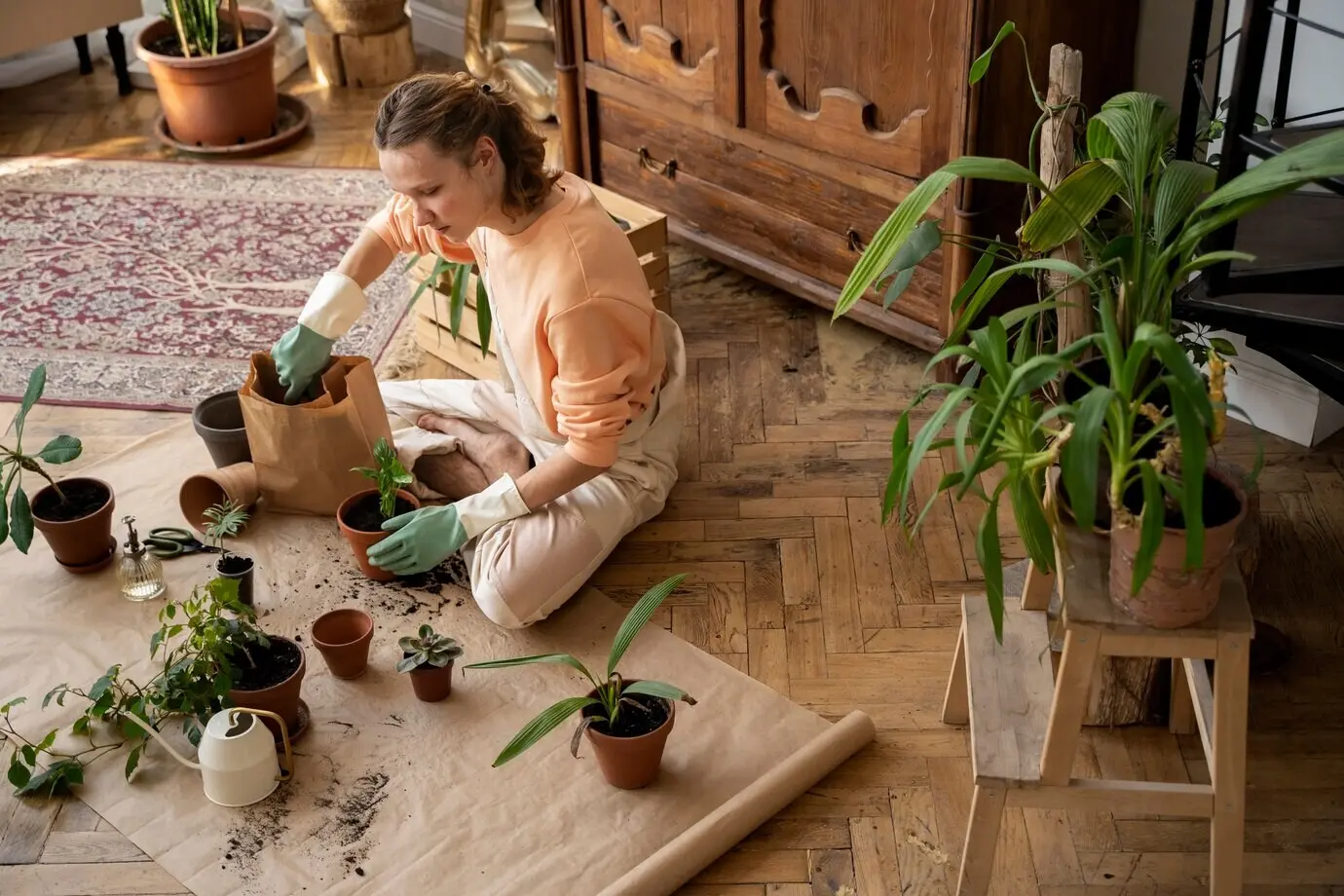
Welcome to a warm, honest exploration of designing an eco‑friendly nursery, where real parents share what worked, what didn’t, and why small, practical choices matter. We’ll blend personal stories with evidence‑based tips on materials, air quality, lighting, furniture, textiles, and daily routines, so you can create a calming, planet‑kind space without stress. Expect budget‑friendly ideas, secondhand wins, safer products, and clear timelines. Join the conversation, ask questions, and share your own experience so other families can learn from your path and feel supported every step.

Materials That Breathe: Safe, Sustainable Foundations

Start with the bones of the room. Choosing responsibly sourced wood, verified low‑emission finishes, and durable pieces reduces off‑gassing, saves money over time, and calms your mind. We’ll translate certifications into plain language, unpack trade‑offs, and show how secondhand treasures can be refreshed safely. Parents tell us the biggest surprise wasn’t the color of the crib, but how peaceful the room felt after swapping one material for another. These foundations shape everyday comfort, resilience, and the gentle rhythms you’re hoping to cultivate.

Air, Paints, and Little Lungs

Fresh air is a gift you can design for. Choose low or zero‑VOC paints, plan an early painting timeline, and ventilate thoroughly for several weeks. A small HEPA unit sized correctly for the room, plus open‑window cross‑breezes when weather allows, can reduce particles and odors. Parents report calmer nights after improving ventilation and monitoring carbon dioxide and VOC levels. We’ll walk you through simple steps, budget options, and easy habits that protect sensitive lungs while keeping your space welcoming, restful, and delightfully breathable.

Furniture That Grows With Your Child

Invest once, use for years. Choose pieces that convert, anchor securely, and hold stories. Convertible cribs, modular shelving, and adaptable seating can evolve from newborn to toddlerhood and beyond. Parents love saving money and avoiding constant churn, while children feel at home in familiar shapes that change gently. We’ll offer practical assembly tips, wall‑anchoring basics, and ways to label hardware to avoid frustration later. Your future self will thank you for planning transitions with safety, simplicity, and practical elegance in mind.

Convertible Cribs and Real‑World Transitions

When upgrading matters most, clear instructions and a labeled hardware bag save nerves. Practice assembling the toddler rail before you need it, and store extra parts in a sealed envelope taped to the frame. Verify compatibility with a manufacturer conversion kit, and avoid outdated drop‑side designs. Parents recommend transitioning during a calm week, not right before travel or vaccines. With patient pacing, children gain confidence in their new bed, and you avoid emergency late‑night reassembly, preserving everyone’s sleep and sanity.

Changing Stations Without the Bulky Dresser

Consider a secure topper on an existing dresser, a wall‑mounted fold‑down table, or a simple floor‑level station for rolling infants. Anchor everything, distribute weight evenly, and use a non‑slip pad. Keep only essentials within arm’s reach to reduce clutter and accidents. Parents who downsized the station found it easier to clean, safer during wiggly changes, and far less tempting to overstock. Your back will appreciate comfortable height and good posture, and your budget benefits from rethinking what truly needs to be purchased.

Textiles, Diapers, and Daily Comfort

Gentle fabrics touch skin all day, so choose thoughtfully. Organic cotton, lyocell, and responsibly sourced wool breathe well and clean easily. Focus on crib sheets, sleep sacks, swaddles, and easy‑wash layers. We’ll compare diapering approaches, from cloth to truly greener disposables, and share laundry routines that reduce water, energy, and frustration. Parents consistently say comfort is a combination of fabric, fit, and simple care. Your goal is predictable softness, quick changes, and calm, cozy sleep anchored by safer, durable essentials.

Choosing Sheets, Mattresses, and Protectors

Prioritize a firm, well‑fitting crib mattress for safe sleep, and consider materials like certified natural latex or innerspring with verified low emissions. Add a breathable, waterproof protector that avoids vinyl and cleans easily. Two to three fitted sheets simplify laundry rotations. Wash everything before first use. Parents found that breathable layers reduced night sweats and rashes, and washing day felt less daunting. Reliable basics, thoughtfully chosen, do more for comfort than a closet full of fancy extras you rarely touch.

Cloth, Hybrid, or Truly Greener Disposables

Cloth can be economical and gentle, especially with a streamlined setup: a day’s worth of prefolds, a few covers, and a straightforward wash routine. Hybrids offer flexibility for travel days. If choosing disposables, look for transparent ingredient lists, responsibly sourced pulp, and excellent fit to minimize waste. Parents often mix approaches depending on season and daycare policies. The most sustainable option is the one you can maintain consistently, without stress, leaks, or late‑night panic loads that drain everyone’s energy.

Laundry That Saves Water and Skin

Simplify cycles: a short, cool pre‑rinse, followed by a longer warm or hot wash with a measured dose of fragrance‑free detergent. Skip fabric softeners that can reduce absorbency and irritate skin. Line‑dry when possible to save energy and extend fabric life, or use low heat. Sunlight naturally lifts stains. Parents report that predictable wash days prevent buildup and keep drawers comfortably stocked. Your routine should feel easy, forgiving, and kind to sensitive skin, not like another demanding full‑time job.

Light, Sound, and Calming Design

Sleep supports everything. Use warm, dimmable LEDs in the evening, blackout curtains for naps, and gentle white noise within safe decibel limits. Choose natural textures and a soothing palette that reflects outdoor tones. Parents describe transformative quiet after small adjustments to lamp placement and curtain fit. We’ll map a simple end‑of‑day routine with lighting cues that comfort everyone. Thoughtful sensory choices help babies settle faster, while caregivers finally exhale and savor peaceful moments that feel balanced, grounded, and wonderfully sustainable.

Waste Less: Planning, Buying, and Letting Go
Build a Registry That Reduces Regret

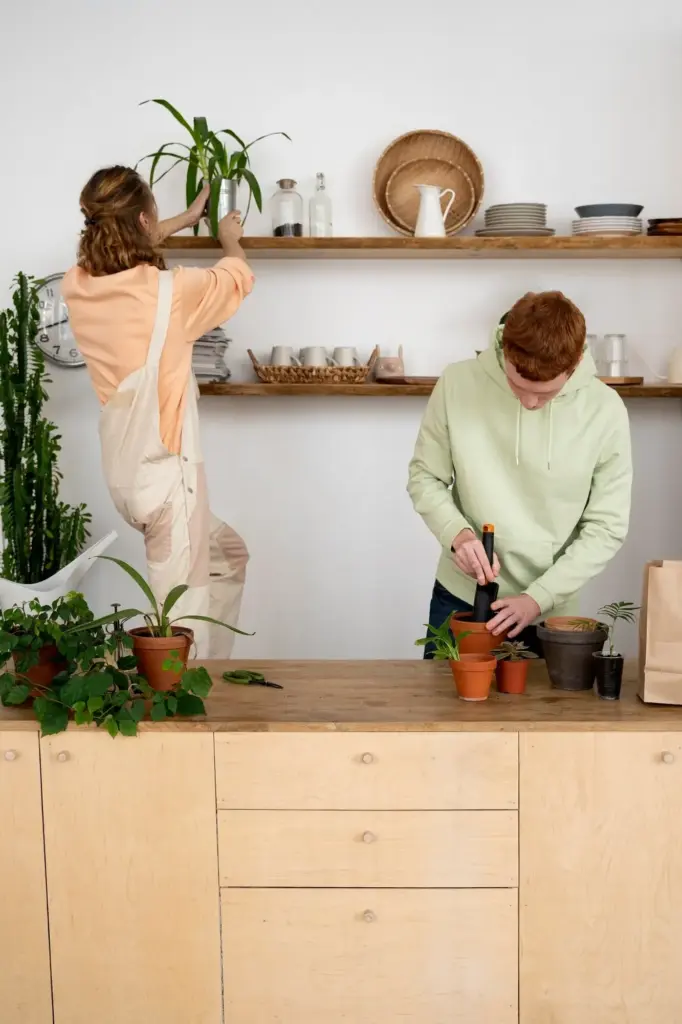
Ask for experiences and support alongside gear: meal trains, diaper services, babywearing consultations, and a fund for one high‑quality item you’ll use daily. Provide clear notes on materials and sizing, and encourage gift receipts. Parents who shared a philosophy, not just links, received fewer novelty gadgets and more enduring essentials. Your registry can gently educate loved ones, spark generous conversations, and set the tone for practical, eco‑kind care that continues long after the last thank‑you note is written.

Care, Repair, and Refresh

Schedule quick checkups for anchored furniture, tighten hardware seasonally, and clean wood with mild soap and a damp cloth rather than harsh sprays. Refresh scratches with a touch of hardwax oil. Patch small tears, replace zippers, and celebrate visible mends as part of your family story. Parents who embraced maintenance extended the life of nearly everything and felt proud of their stewardship. These rituals become tiny acts of calm, reminding you the room is cared for, ready, and reliably supportive.

Resale and Donation with Purpose

Before listing, wipe down, photograph in good light, and disclose wear honestly. For safety items like car seats, verify expiration and avoid resale when required; donate responsibly within guidelines. Ask local shelters, mutual aid groups, and parenting communities what they truly need. Parents found that purposeful giving turned clutter into connection, and the stories attached to each item traveled onward. You’ll gain space, help someone else, and reinforce values that your child will witness and one day practice themselves.

Parents’ Voices: Lessons from Real Rooms

Every room holds a journey. We gathered candid reflections from families who created soothing, sustainable spaces in tiny studios, old houses, and new builds. They share missteps, unexpected wins, and comforting details that made long nights easier. You will hear what they would repeat, what they would skip, and how budget boundaries sparked creativity. Add your voice in the comments, subscribe for new interviews, and pass along questions we can ask next time. Community wisdom transforms worry into grounded confidence.
Zomuhakopokoximo
Privacy Overview

This website uses cookies so that we can provide you with the best user experience possible. Cookie information is stored in your browser and performs functions such as recognising you when you return to our website and helping our team to understand which sections of the website you find most interesting and useful.